Restaurant labor cost calculator
Find your labor cost percentage for a week. Enter sales, list your hourly staff and any salaried pay, and compare the result with typical restaurant ranges.
The 11% default is a starting point: it is the legally required benefits share of pay for U.S. leisure and hospitality (BLS). Employer Social Security and Medicare alone are 7.65%. Add unemployment tax, workers' comp and any health insurance you pay, or type your own rate. "Other hourly wages" is for a weekly total when you don't want to list every role.
| Role | Hours per week | Hourly rate | Weekly pay | Remove |
|---|---|---|---|---|
| Hourly wages | 0 | $0.00 |
| Restaurant type | Typical range |
|---|---|
| Fine dining | 35% to 45% |
| Casual dining | 30% to 35% |
| Fast casual | 25% to 30% |
| Quick service | 20% to 25% |
How the math works
- Hourly wages = hours × hourly rate for each role, added up, plus any other hourly total you enter.
- Wages before taxes = hourly wages + salaried pay.
- Total labor cost = wages × (1 + payroll tax and benefits %).
- Labor cost % = total labor cost ÷ sales.
Example: $25,000 in weekly sales, $6,000 in hourly wages and $2,000 in salaried pay is $8,000 in wages. At an 11% load that is $8,880 in labor cost, or 35.5% of sales.
To track labor with food and beverage cost every week, use the free prime cost spreadsheet.
What counts as labor cost
Toast defines restaurant labor cost as everything you pay your team: hourly wages, salaries, overtime, payroll taxes, benefits, bonuses, paid time off and uniform costs. Include the owner's pay if the owner works a shift as a manager or cook.
What is a good labor cost percentage?
Toast's guide puts most full-service restaurants at 25% to 35% of revenue, with about 30% as the usual benchmark. By type, it lists fine dining at 35% to 45%, casual dining at 30% to 35%, fast casual at 25% to 30% and quick service at 20% to 25%. 7shifts reports that full-service restaurants' salaries and wages, including benefits, had a median of 36.5% of sales in 2024. These are reference ranges. Your market, wages and sales volume move them.
Labor is only part of the picture. Add it to your food cost to get your prime cost. See the food cost calculator and the menu price calculator.
Sources
- Toast: restaurant labor cost percentage (ranges by restaurant type, definition of labor cost)
- 7shifts: restaurant payroll taxes (employer FICA 7.65%, 36.5% median salaries and wages, 2024)
- U.S. Bureau of Labor Statistics: Employer Costs for Employee Compensation, June 2026 (leisure and hospitality: wages and salaries 80.9% of compensation, legally required benefits 8.9%, so about 11% of wages)
- Toast: Payroll and Toast IQ Team (scheduling, payroll, tips management)
Common questions
How do you calculate labor cost percentage?
Divide total labor cost by sales for the same period, then multiply by 100. Total labor cost includes wages, salaries, overtime, employer payroll taxes and benefits.
What is a good labor cost percentage for a restaurant?
Toast reports about 30% of revenue as the usual benchmark, with most full-service restaurants at 25% to 35%. Quick service runs lower, at 20% to 25%, and fine dining higher, at 35% to 45%.
What payroll tax and benefits percentage should I use?
Employer Social Security and Medicare are 7.65% of wages. Unemployment tax, workers' comp and benefits add more. The default here is 11%, from BLS data on legally required benefits in leisure and hospitality. Use your payroll report's actual numbers if you have them.
Should owner pay be in labor cost?
Include it when the owner works a regular shift in a role you would otherwise pay someone to fill. Leave out owner profit draws.
Sources: Toast, 7shifts, U.S. Bureau of Labor Statistics. Typical ranges vary by market and concept. Your numbers are not stored or sent anywhere. Checked October 2026.
Next up
Read the full comparisons
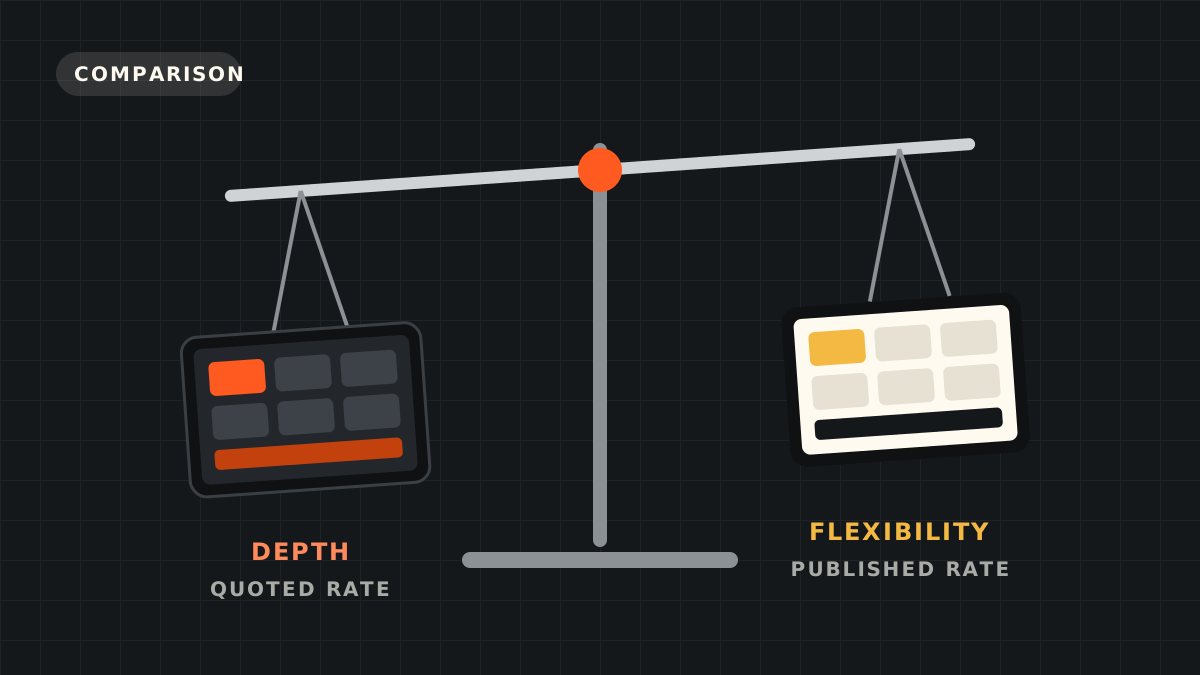
Toast vs SpotOn
Prices, rates, contracts, hardware and support, with a worked cost example on real card volume.
Best POS for small restaurants
Our top 5 for one-location restaurants, ranked, with costs, contracts and who each one fits.
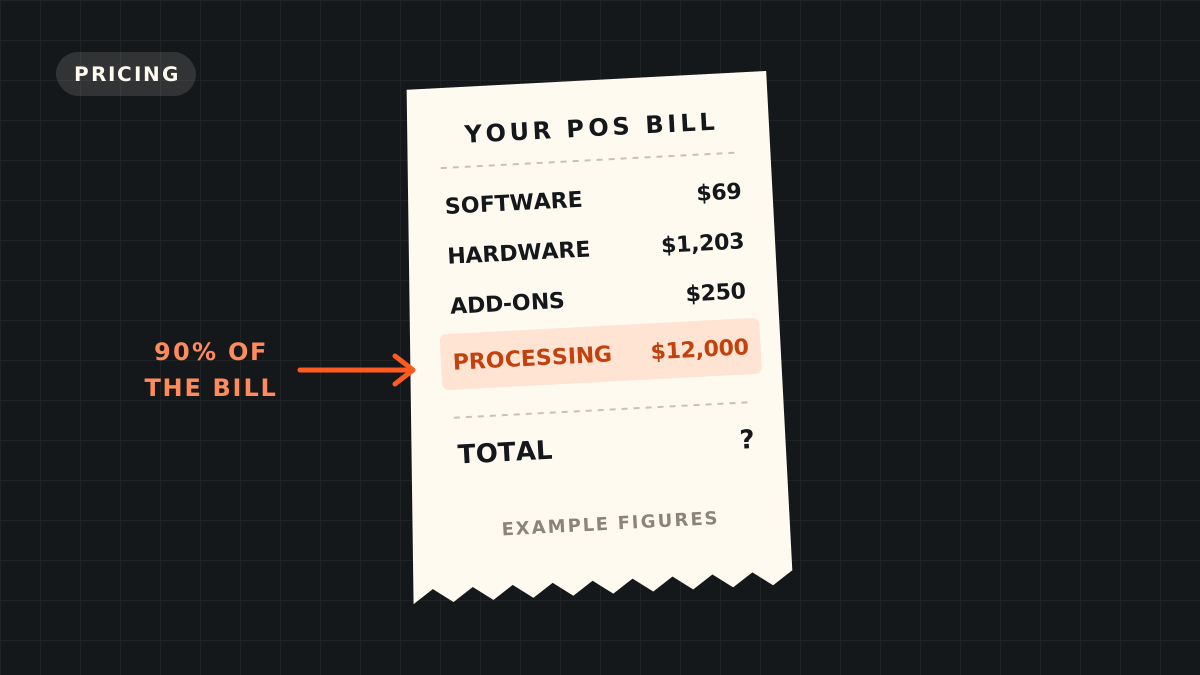
Toast pricing, explained
Plans, processing rates, hardware, add-ons and the card volume where the $0 plan stops being cheap.